August 30, 2026
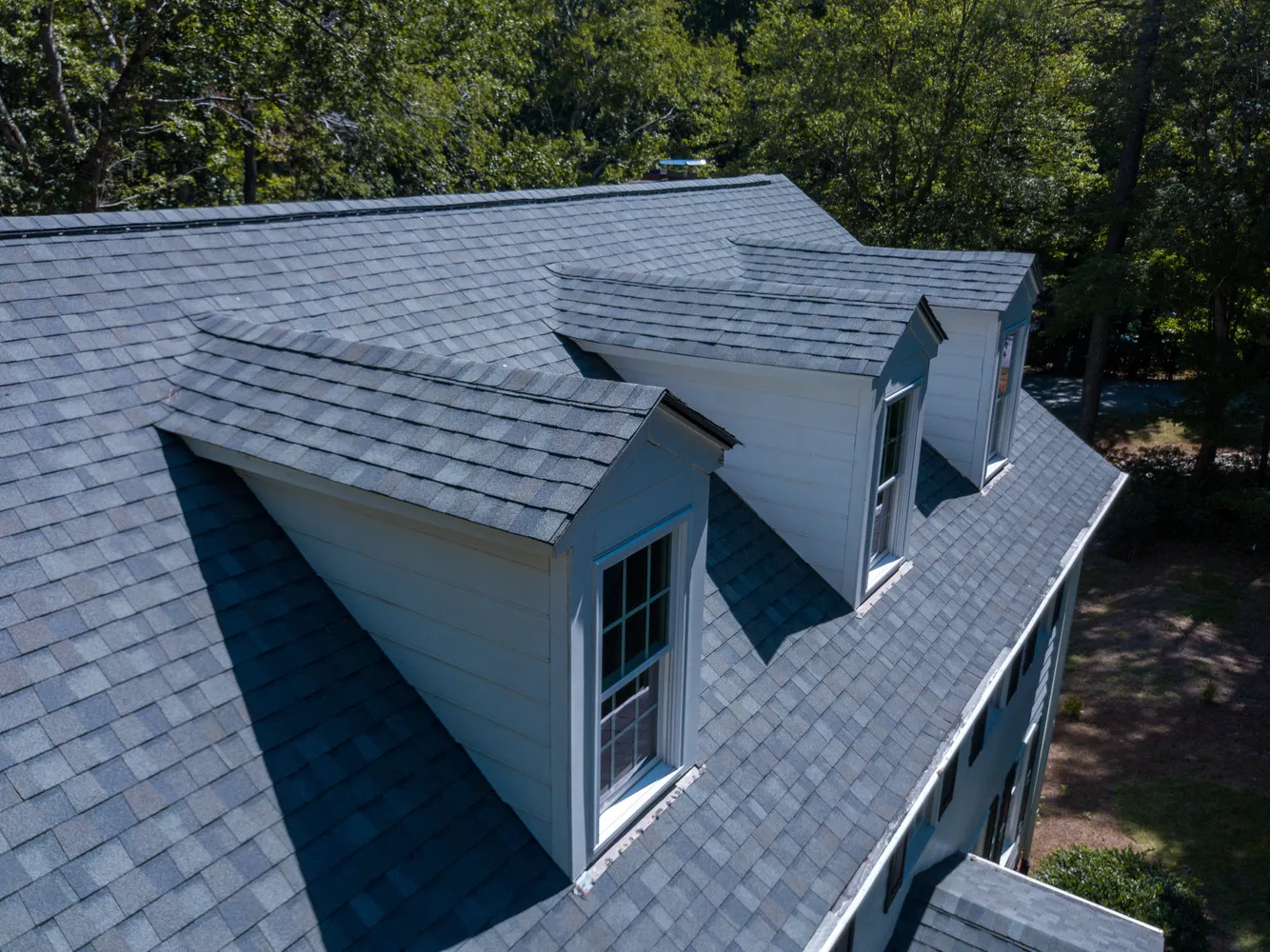
Synthetic slate roofing Hinsdale
Homeowners often hear that spending more on a premium roof can provide better long-term value, but price alone does not make a roofing material durable. A genuinely long-term roofing solution must be able to withstand changing weather, protect the building beneath it, maintain its appearance, and remain practical to repair. Synthetic slate roofing Hinsdale has become popular because it addresses these requirements while providing the classic character associated with slate.
One reason for its long-term potential is modern material engineering. Natural materials can offer exceptional durability, but synthetic products have the advantage of being manufactured specifically for predictable performance. Synthetic slate roofing products are designed to function as exterior building materials, with manufacturers developing formulations intended to resist common sources of deterioration.
Sunlight is one example. A roof receives direct UV exposure throughout much of its life. Over time, ultraviolet radiation can affect the appearance and physical properties of certain materials. Quality synthetic slate products are manufactured with outdoor exposure in mind, helping them withstand prolonged sunlight. Actual performance varies by product, making manufacturer specifications an important part of material selection.
Changing temperatures also create stress. Roofing materials expand and contract as temperatures rise and fall. In colder climates, repeated freeze-thaw cycles can create additional challenges. Synthetic slate roofing is engineered to function through seasonal changes, making it suitable for homeowners seeking a roof capable of year-round performance.
Storm resistance can further contribute to longevity. Strong winds, hail, and falling debris are responsible for many unexpected roofing repairs. Synthetic slate products may offer strong impact and wind performance, although ratings differ between manufacturers. Homeowners in storm-prone regions should select products tested for the conditions they are likely to experience.
Another important characteristic is reduced fragility compared with natural stone. Natural slate can last for generations, but individual tiles can crack if they are handled or walked on incorrectly. Synthetic slate roofing is generally more flexible, which can make maintenance and repairs less complicated.
Long-term performance also depends on what homeowners cannot see. The visible slate pieces are only one part of the roofing system. Underlayment, flashing, roof decking, ventilation, fasteners, and drainage all contribute to performance. A qualified contractor should treat synthetic slate roofing as a complete system rather than simply installing attractive material over the roof deck.
Routine inspections remain essential. After major storms, homeowners should check for missing or damaged pieces, loose flashing, clogged gutters, and other visible problems. Early repairs are usually easier and less expensive than addressing water damage after it has spread into the home.
Aesthetic longevity should also be considered. Slate-inspired roofing has a traditional appearance that does not depend heavily on short-lived design trends. Homeowners can update siding, trim, doors, or landscaping without necessarily needing to change a slate-style roof to keep the exterior looking cohesive.
The combination of material engineering, weather performance, flexibility, proper installation, and timeless design helps make synthetic slate roofing a long-term option. Homeowners who approach the project as an entire roofing system rather than simply a material purchase can maximize its potential and enjoy dependable protection for many years.